Own a piece of atomic history with this exceptional 0.87g specimen of dark glassy green Trinitite—the rare glass created during the world's first atomic bomb test at the Trinity Site in 1945.
What Makes This Piece Special
This stunning specimen showcases the mesmerizing beauty of Trinitite with its dark, glassy green surface that's slick to the touch. The topside displays captivating variations of deep green shades, while a large crater reveals crystalline formations that sparkle brilliantly in the light—visible to the naked eye. Additional crystallizations cluster around the crater edges, and a smaller crater on the opposite side features delicate crystalline borders that catch and reflect light beautifully.
Display & Presentation
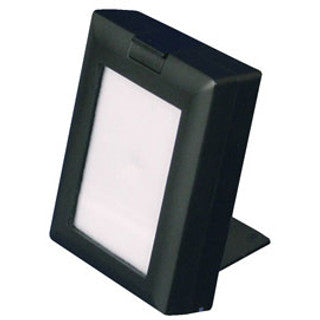
Your Trinitite arrives in a premium easel display case (2 3/8" x 2.5" x 1/2") with a reversible black/white velvet cushion, allowing you to choose the perfect background to showcase your piece. The adjustable easel lets you position it at various angles for optimal viewing and light play.
Authenticity & Rarity
This piece contains Baratol (Ba-130, Ba-132, Ba-133 peaks), indicating it was collected close to the detonation site—making it exceptionally rare. Much of our collection features this distinctive characteristic that serious collectors seek.
What's Included
- Certificate of Authenticity Card
- Independent Lab's Gamma Spectrum graph results
- Scientist's personal notes in protective plastic sheath
Safety & Compliance
All Trinitite has been laboratory-tested and verified as authentic. Shipping complies with NRC Nuclear Regulatory Commission regulations (Section 13, Part 40), Postal Service regulations (49 CFR 173.421), and USPS Publication 52 activity limits for low-level radioactive materials. This sale meets all U.S. Federal regulations.
Note: Photos are shown at 3x magnification to capture details that are visible to the naked eye but difficult for cameras to capture at standard magnification. What you see in person matches the clarity and beauty shown in these images.